Water Damage Restoration in Green Valley, AZ
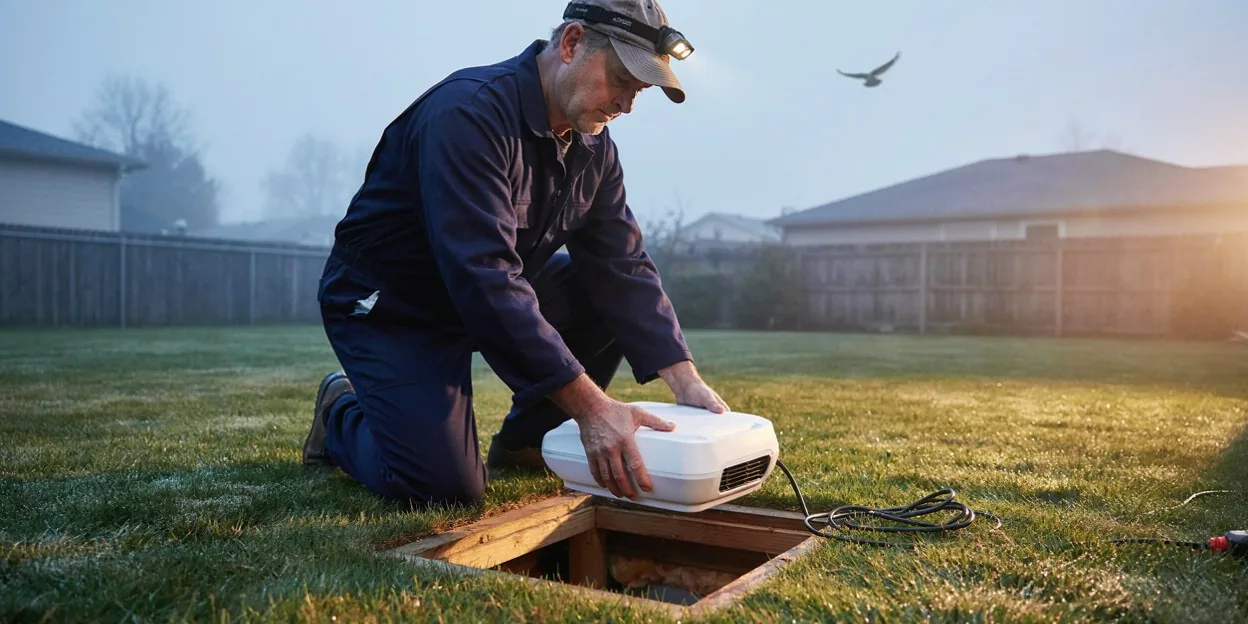
Green Valley opened in 1964 as one of the country's first planned retirement communities, on the west bank of the Santa Cruz River twenty-five miles south of Tucson, and it has stayed unincorporated ever since. About 21,000 people live here, most of them in age-restricted HOAs, in single-story block homes and shared-wall townhomes built from the 1960s through the 1980s, many with flat foam roofs and evaporative coolers still on top. The Santa Ritas rise to the east, and Madera Canyon and a dozen smaller washes drain off them straight through the community toward the river.
A townhome with a shared wall means a leak in one unit reaches the neighbor's drywall, and a flat roof from 1972 that has been recoated four times has seams that a monsoon pond will find. The copper under these slabs went in when Lyndon Johnson was president, and the water here is hard.
This site routes Green Valley homeowners to an independent local water damage provider by phone. The provider meters both sides of a shared wall before a scope is written.
Green Valley water damage in 1960s block and shared-wall townhomes
A warm spot on the tile in a 1968 block home is a leak detection job before anyone opens the slab. A ceiling bowing under a rooftop cooler pan is ceiling water damage repair. A townhome where the neighbor's water heater soaked the party wall is structural drying on both sides, and the HOA will want to know.
The council that speaks for Green Valley's HOAs, and the rec centers
The Green Valley Council is the civic body that represents the community's homeowners associations to Pima County, and its office is where an HOA question about a dumpster or contractor access usually starts. Green Valley Recreation runs the thirteen recreation centers that most homes here carry a membership to, and its closures during a storm are the local signal that the washes are running.
Call (520) 422-6139 and describe what you found. We route the call to a local water damage provider serving Green Valley.
Services Available in Green Valley
Water Extraction
Standing water pulled off saltillo, tile, and carpet on a Tucson slab before it wicks into block walls and the bottom of the drywall.
Structural Drying
Air movers and dehumidifiers run until block, stucco, drywall, and cabinets read dry, even after a monsoon week pushes the humidity up.
Leak Detection
A spinning meter, a warm patch of tile, or a damp baseboard traced to a pinholed copper line under the slab before concrete is cut.
Burst Pipe Water Damage
Rooms soaked when an exposed hose bib line, a cooler supply, or an attic pipe split in a hard desert freeze, pumped out and dried.
Monsoon Flood Cleanup
Silt and wash water pulled out of a garage or ground floor after a monsoon storm, contaminated materials removed, and the house dried.
Water Heater Leak Cleanup
A tank that let go in a garage, laundry closet, or outdoor alcove and the flooring and drywall it soaked before anyone noticed.
Ceiling Water Damage Repair
A stained or sagging ceiling under a rooftop cooler, a package AC unit, or a pooled parapet section, dried and opened only where wet.
Roof Leak Water Damage
Wet insulation, ceilings, and walls dried after a flat roof ponded, a scupper clogged, or a July storm drove water under the coating.