Water Damage Restoration in Sam Hughes, AZ
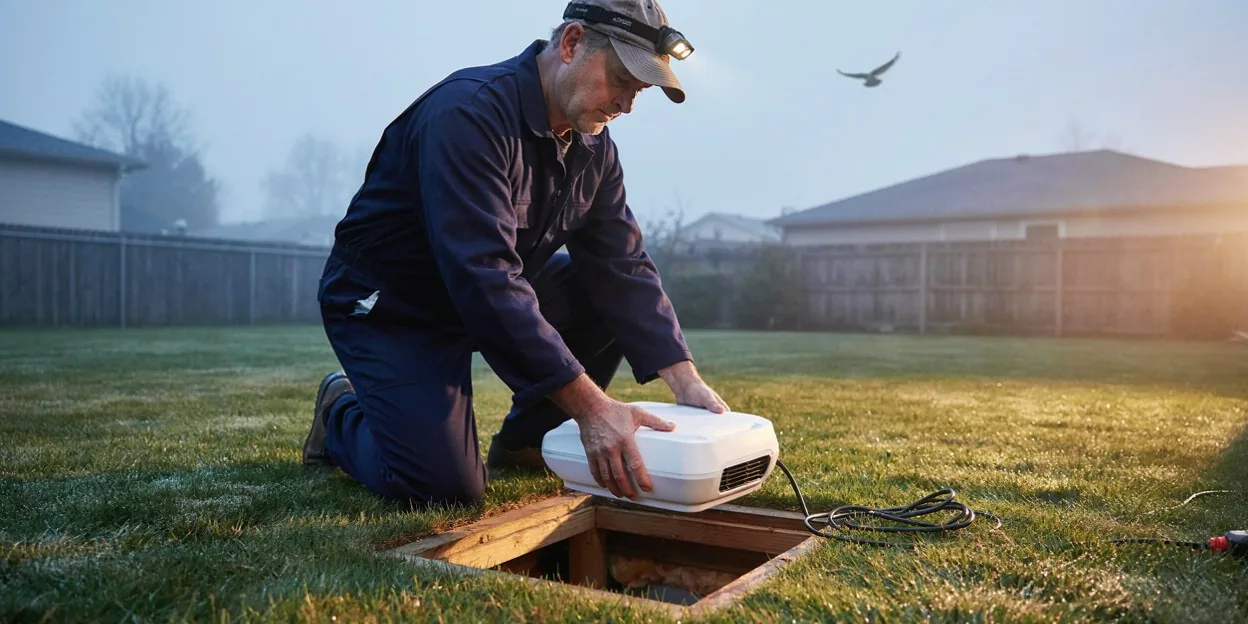
Sam Hughes is the neighborhood east of the University of Arizona between Campbell and Country Club, Speedway and Broadway, built almost entirely between 1920 and 1950 and listed on the National Register in 1994. The houses are red brick and burnt adobe, Tudor and Spanish Colonial Revival and ranch, on small lots with mature mesquites and the old Sam Hughes Elementary at the center. Many of the earliest homes sit on raised wood floors over a shallow crawl space, one of the few places in Tucson where water can collect under the floor; the postwar ones sit on a slab. The 1920s galvanized supply lines have mostly been replaced with copper, but that copper is now sixty years old itself.
Flat and low-pitched roofs with parapets and canales are common, and a canale plugged with mesquite pods turns a roof into a pond in the first storm of July. Original cast-iron drains and additions tacked onto a brick house over ninety years leave seams that water finds.
This site routes Sam Hughes homeowners to an independent local water damage provider by phone. The provider meters the house before writing a word of scope.
Sam Hughes water damage in ninety-year-old brick
A musty smell and a soft spot in a wood floor over the crawl space is a water extraction job that starts under the house. A stain spreading across a plaster ceiling below a plugged canale is roof leak water damage. A brick wall that stays damp a week after a supply line was fixed is structural drying, and brick gives up water slowly.
The neighborhood association that watches over Sam Hughes
The Sam Hughes Neighborhood Association keeps the historic district's design rules and is the place to ask before a rebuild changes anything visible from the street. Historic-district work inside the city still pulls its permit from Tucson Planning and Development Services.
Call (520) 422-6139 and tell us whether the brick or the floorboards are wet. We route the call to a local water damage provider serving Sam Hughes.
Services Available in Sam Hughes
Water Extraction
Standing water pulled off saltillo, tile, and carpet on a Tucson slab before it wicks into block walls and the bottom of the drywall.
Structural Drying
Air movers and dehumidifiers run until block, stucco, drywall, and cabinets read dry, even after a monsoon week pushes the humidity up.
Leak Detection
A spinning meter, a warm patch of tile, or a damp baseboard traced to a pinholed copper line under the slab before concrete is cut.
Burst Pipe Water Damage
Rooms soaked when an exposed hose bib line, a cooler supply, or an attic pipe split in a hard desert freeze, pumped out and dried.
Monsoon Flood Cleanup
Silt and wash water pulled out of a garage or ground floor after a monsoon storm, contaminated materials removed, and the house dried.
Water Heater Leak Cleanup
A tank that let go in a garage, laundry closet, or outdoor alcove and the flooring and drywall it soaked before anyone noticed.
Ceiling Water Damage Repair
A stained or sagging ceiling under a rooftop cooler, a package AC unit, or a pooled parapet section, dried and opened only where wet.
Roof Leak Water Damage
Wet insulation, ceilings, and walls dried after a flat roof ponded, a scupper clogged, or a July storm drove water under the coating.